Common Lawn Diseases in Georgia and How to Prevent Them
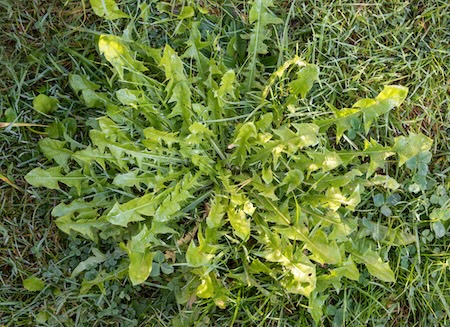
Georgia’s hot, humid summers make lawns beautiful and green, but that same weather also fuels turf diseases. In Cartersville, you will most often see brown patch and dollar spot, and they can spread fast when nights stay warm and the grass stays damp. If you need targeted solutions, our team at Passion Lawn Care uses proven weed control and lawn treatments that help protect and restore your yard without guesswork.
Why Georgia Lawns Are Prone To Disease
In North Georgia, spring and summer bring warm days, humid nights, and frequent pop-up showers. That combination keeps leaf blades wet for hours, which fungi love. Many Cartersville lawns include Bermuda and zoysia for sun, with tall fescue in shadier areas. Each grass type has a different disease profile, so what you notice on a front bermuda lawn may not match what appears under trees in the back.
Soil compaction is another local factor. Busy yards near Dellinger Park and along well-traveled sidewalks often have tight soils that hold moisture near the surface. Compaction weakens roots and slows drying, which gives disease a head start. Add excess thatch or dull mower blades, and small spots can quickly turn into larger, patchy areas.
Brown Patch: Symptoms And Professional Treatment
Brown patch is common on tall fescue and can also show on zoysia when nights are warm. Look for circular to irregular patches that start tan and then turn brown. The edges may appear darker or smoke-ringed early in the morning when dew is heavy. On individual blades, you might see lesions with a dark border and tan center.
- Patches range from a dinner plate to several feet across and can merge over time.
- Damage often appears after warm, humid nights and cloudy days.
- Blades pull up easily if the crown has decayed in the center of a patch.
- Shaded, overwatered, or highly fertilized fescue areas show symptoms first.
Early diagnosis helps stop patch expansion. A licensed lawn care professional can confirm the issue, then time treatments so they protect healthy grass while the weather still favors the disease. In active outbreaks, a pro may recommend a fungicide rotation paired with cultural adjustments managed through a maintenance program, not one-time spot fixes.
Safety note: Keep kids and pets off recently treated areas until products are dry, and follow the service technician’s post-visit guidance.
Dollar Spot: Small Spots, Big Impact
Dollar spot shows up on Bermuda, zoysia, and fescue from late spring into fall. In early stages, you will see small, silver-dollar-sized straw patches that can multiply across sunny sections. On the leaf blades, lesions often look like small, straw-colored bands with a reddish-brown edge. Mornings may reveal a cobweb-like mycelium that disappears as the sun dries the lawn.
- Tiny spots can coalesce into large, thinned areas if conditions persist.
- Low nitrogen levels and leaf wetness are classic triggers.
- Symptoms often stand out after mowing when pale scars contrast with green turf.
- Unshaded, breezy spots are not immune; disease follows moisture patterns, not shade alone.
Because dollar spot cycles fast, timing matters. A professional program balances fertility so the grass recovers without overfeeding, and staggers treatments so the fungus cannot simply adapt to one active ingredient. Your technician also watches mowing height and clippings management to avoid tracking disease across the yard.
Other Georgia Turf Diseases To Watch
While brown patch and dollar spot lead the headlines, a few other issues pop up around Bartow County. Leaf spot can thin fescue during warm, wet spells. Rust may dust shoes and mower decks with orange spores in slow-growing turf. Fairy ring can form dark green or dead arcs where fungi change soil biology under the surface.
During heat waves with saturated soils, pythium blight can appear as greasy-looking, matted turf that progresses quickly. These problems look similar at a glance, so accurate identification is essential. A qualified lawn care pro considers your grass type, site conditions, and recent weather to avoid misdiagnosis and wasted effort.
Prevention That Works In Cartersville, GA
Prevention is not a single product. It is a coordinated plan that matches Georgia weather with what your specific lawn needs through the year. That plan may include professional core aeration to relieve compaction, calibrated irrigation scheduling that reduces leaf wetness, and a balanced nutrition program so turf can outgrow minor injury without becoming susceptible to disease.
Do not mow wet grass when disease is active. Wet clippings spread spores, and mower wheels can mat down leaf blades, extending the time they stay wet. A pro service will track dew points and growth rates, then set mowing height for your grass variety so leaves dry faster while roots stay protected.
Soil testing guides smarter fertility and pH adjustments. When soils in Cartersville skew slightly acidic, that can influence nutrient availability and stress response. Routine monitoring helps keep growth steady without surges that invite disease. For a deeper overview of regional best practices, you can browse more about Georgia lawn care and how a full program supports turf health beyond a single treatment window.
Seasonal Game Plan For North Georgia Lawns
While every property is unique, many Cartersville lawns benefit from a seasonal rhythm that a professional team manages across the calendar. Here is how a typical plan aligns with local weather patterns rather than fixed dates.
- Late Winter to Early Spring: Inspect winter-weakened areas and refresh mower blades before growth kicks in. Your service schedules pre-emergent weed control with compatible nutrition for early vigor.
- Late Spring to Early Summer: As nights warm, monitoring for brown patch and dollar spot intensifies. Preventive fungicide rotations may be added when conditions favor outbreaks.
- Mid to Late Summer: Heat and humidity demand careful irrigation timing and consistent mowing height. Technicians evaluate traffic patterns and thatch to reduce chronic wetness.
- Fall: Recovery feedings help repair summer wear. For fescue sections, professionals often seed or thicken thin spots while disease pressure fades with cooler nights.
This kind of planning gives your lawn steady momentum. Instead of reacting after large areas decline, the focus stays on maintaining density, which is the best everyday defense against weeds and disease.
How Professional Treatments Solve The Root Problem
Professional care addresses the conditions that let disease thrive, not just the symptoms you see. That begins with site evaluation. Are there low spots holding water after storms? Are shaded zones over-seeded with a grass that struggles under trees? Your technician maps these microclimates so treatments hit the right places at the right times.
When treatment is needed, a service like Passion Lawn Care selects active ingredients and application intervals that fit the pressure level and grass type. Rotations are critical in Georgia, where long humid stretches encourage repeat cycles. Calibrated equipment delivers uniform coverage and reduces the risk of misses or overlapping stripes that can appear when weather is fickle.
Scheduling before peak humidity improves results. With a regular program, you are not chasing damage after it shows. Instead, you enter risky windows with the lawn supported and ready.
What Brown Patch And Dollar Spot Look Like Up Close
It helps to know what your technician is checking during service visits. On fescue with brown patch, technicians often find blades with tan lesions bordered in dark brown, plus thinned crowns in the center of older patches. In heavy dew, the outer edge can look slightly smoky before the sun hits it.
With dollar spot in Bermuda or Zoysia, the giveaway is many small straw-colored spots that seem to reappear after mowing. Blades may show hourglass-shaped lesions with darker edges. While these signs are distinctive, other problems can mimic them after drought or nutrient stress, which is why professional eyes and tools matter.
Neighborhood Notes Around Cartersville
Lawns near open fields or ballparks can be breezier, which dries turf faster but may still leave morning dew on cool nights. Downtown pocket lawns often sit between buildings where air movement is slower, raising leaf wetness time. Yards with heavy foot traffic after school or weekend games around neighborhood parks benefit from compaction relief so water can move through the soil instead of pooling on the surface.
When To Call A Local Lawn Care Professional
If you notice circular patches expanding week to week, fine cobwebbing on morning dew, or dull, straw-colored spots across sunny areas, it is time to bring in help. Waiting for “one more mow” often means more damaged area to recover later. A quick visit lets a pro confirm the issue, protect healthy turf, and guide the next steps based on your grass type and landscape use.
To speak with a local specialist, call 404-499-3033. Our team serves homes throughout Cartersville and nearby neighborhoods with programs that focus on lasting lawn health, not just short bursts of growth.
Ready to stop turf fungus in Cartersville? Get professional turf fungus treatment from Passion Lawn Care.
Get Professional Lawn Disease Help In Cartersville, GA
Whether you are seeing early spots or widespread thinning, coordinated care brings your yard back faster and helps keep it that way. Learn how our tailored programs combine nutrition, timing, and targeted applications by exploring our lawn treatments for disease-prone turf. If you want a healthier, more resilient lawn through every Georgia season, our specialists are ready to design a plan that fits your property and your goals.
Take Pride In Your Lawn
With Passion Lawn Care In Cartersville